Extinction Risk – what can businesses and organisations do?
Posted 17th December 2025
Introduction
Species extinction risk refers to the probability that a species will disappear from the planet, either locally or globally, due to various environmental and human-induced pressures. The direct and indirect human impacts that cause species extinction are well known:
- Habitat loss,
- Climate change,
- Pollution,
- Overexploitation, and
- Invasive species.
All these may alter ecosystems, reduce population size and genetic variability. It’s important to highlight that species with small populations, limited geographic ranges, or specialized habitat requirements are particularly vulnerable to these pressures making their extinction faster.
Many scientists assert that we are currently experiencing a sixth mass extinction, which, unlike previous events driven by natural phenomena, is predominantly caused by human activity. Since the 17th century, at least 778 animal species and 124 plant species have been classified as extinct. Including human-related extinctions after1600, the total number exceeds 2,000 species (CONABIO, 2025). At present, more than 41,459 plant and animal species are considered at risk of extinction (IUCN, 2022).
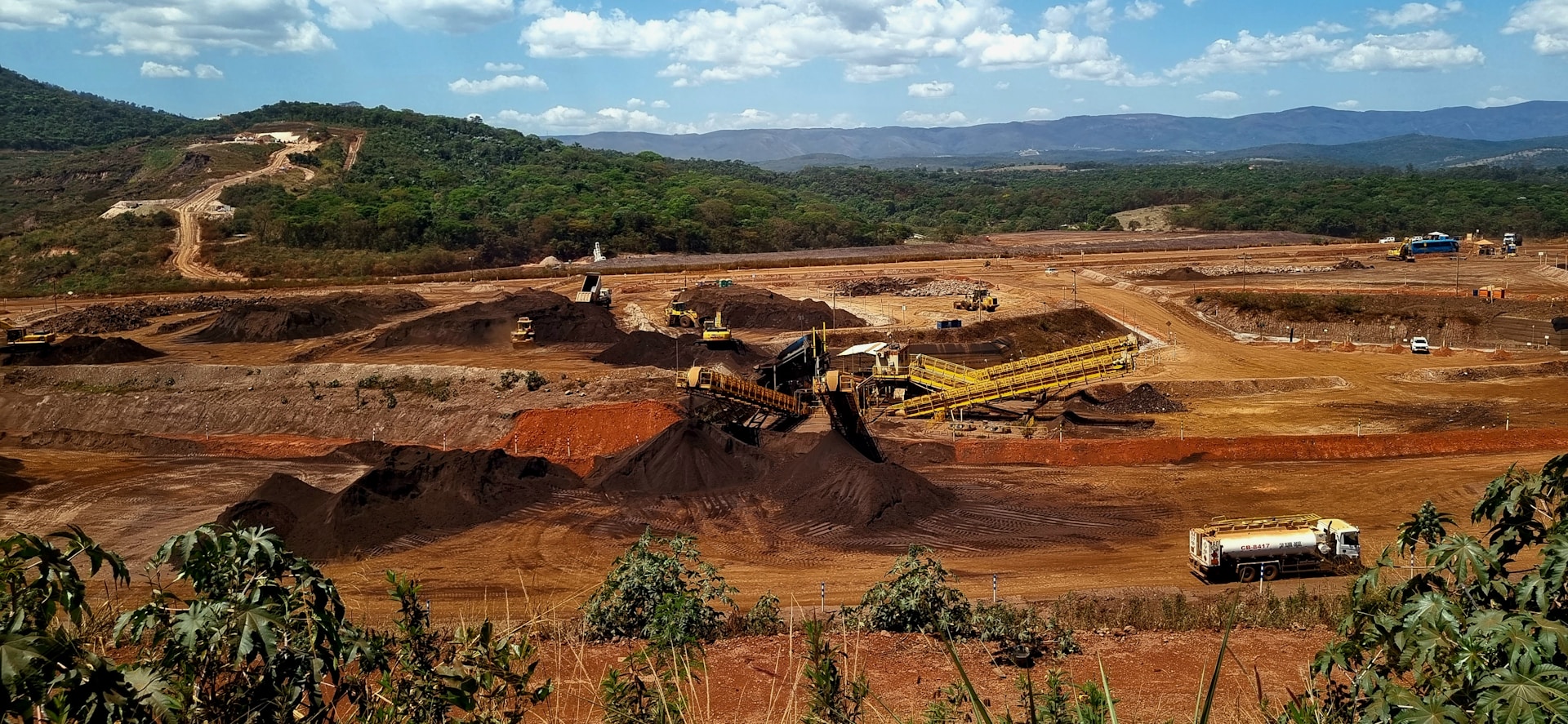
Figure 1. Large-scale changes to the environment such as those from the mining industry can cause significant impacts on flora and fauna species leading to extinction risks. Photo by Hector Brasil on Unsplash.
The data indicate that extinction rates have increased significantly over the past 200–300 years, particularly during the Industrial Revolution and the Great Acceleration of the 20th century, periods marked by increased human population and resource use. Current estimates suggest that extinction rates are 100 to 1,000 times higher than natural background rates (CONABIO, 2025). Additionally, the World Wildlife Fund (WWF) released the Living Planet Report 2022, highlighting that monitored populations of vertebrates—including mammals, birds, amphibians, reptiles, and fish—have experienced an average decline of 69% since 1970 (WWF, 2022).
In Latin America and the Caribbean, recorded an average decline of 94% in monitored wildlife populations between 1970 and 2018, representing the largest regional decrease worldwide (WWF, 2022).
What do we do to find out if a species is at risk of extinction or not?
Red Lists have traditionally guided conservation strategies to avoid extinctions. There is little objection to the idea that categorizing species according to their risk of extinction is a good way to prioritize and implement conservation actions; however, there is little consensus in the best way to perform the actual assessments, and different countries have developed different methods according to their specific needs (De Grammont & Cuarón, 2006; Ramírez & Quintero, 2016). Nevertheless, the main objective still the same, avoid species extinction risks.
While establishing a universally accepted method remains complex, the priority is recognizing that species assessments are vital for identifying and reducing extinction risks. By systematically evaluating species status, population trends, habitats, and threats, scientists can better guide conservation actions, inform policy, and allocate resources efficiently. Species assessments are a first step in determining conservation plans and extinction risks.
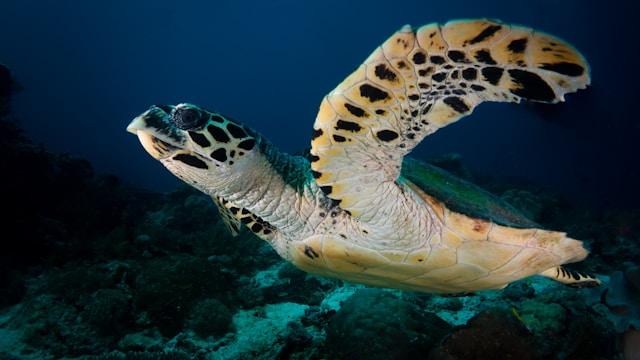
Figure 2. The Hawksbill Sea Turtle (Eretmochelys imbricata). Photo by Kris-Mikael Krister on Unsplash
Ecological Integrity
Ecological Integrity is the ability to maintain ecological, self-organized and stable processes in natural systems. Ecological integrity is manifested through the organization and functioning of an ecosystem, particularly through the presence and roles of large animals such as birds and mammals, including top predators that help regulate ecological balances. It is also evident in the quantity and strength of interactions among species, including predator-prey relationships that maintain population dynamics. The diversity and structural complexity of ecosystem components contribute to its resilience and adaptability. Additionally, the quality and spatial coherence of habitats play a crucial role in supporting ecological processes and sustaining biodiversity across landscapes, remembering that the ecological effects of losing ecosystem integrity have a strong influence on the ecological viability and long-term persistence of several species.
There are multiple methodologies available for assessing and calculating ecological integrity. Recent research, particularly in Mexico, has increasingly utilised multi-metric assessment with Bayesian Networks, a comprehensive approach that evaluates ecosystem health by synthesising a range of ecological indicators into a single analysis. Rather than focusing on a solitary variable, this method collects data on biodiversity, water quality, vegetation cover, the presence of key species, and other relevant environmental factors. Each indicator is assessed individually and subsequently integrated into a composite index which reflects the ecological integrity of the region under study. This technique is highly valuable as it offers a thorough and accurate perspective of ecosystem status, thereby informing effective decision-making in conservation and environmental management (Mora, 2018).
Maintaining ecological integrity in the use and conservation of biodiversity supports the structural complexity and variety of trees, shrubs, herbs, epiphytes, flowers, birds, and mammals, both large and small. This approach also preserves habitats, provides shelters, promotes natural pest control, and ensures stable physical environments such as humidity, temperature, and light levels. Furthermore, it safeguards water flow regulation, reduces runoff, enhances carbon sequestration, and as natural capital, it supplies food, medicinal resources, timber, building materials, fuels, fodder, and ornamental plants, among other essential goods.
Once these concepts have been examined, their interrelationships can be better understood. For instance, utilising top predators as indicators of ecological integrity enables the evaluation of ecosystem health at local, regional, and even national scales.
The extinction of apex species results in the loss of critical interactions, such as predator-prey dynamics, which underpin essential ecological processes with significant evolutionary implications. The absence of these interactions diminishes ecosystem integrity, leading to reduced spatial habitat connectivity, compromised trophic links, and ultimately a decline in stability and self-organisation within natural systems.
Preventing Species Extinction: A Business Imperative
To address the urgent threat of species extinction and safeguard ecological integrity, businesses must move beyond awareness and take strategic, measurable action. Here are key steps businesses and organisations can implement:
- Integrate Biodiversity into Corporate Strategy
Embed biodiversity goals into sustainability frameworks and ESG commitments. Develop policies that prioritize habitat protection and species conservation across operations and supply chains. - Advocate for Strong Environmental Policies
Use corporate influence to champion biodiversity-friendly legislation. Support regulations that prevent habitat destruction and allocate funding for scientific research and conservation. - Educate Employees and Stakeholders
Launch internal training and awareness campaigns on biodiversity risks and the role of businesses in conservation. Promote a culture of environmental stewardship across all levels of the organization. - Implement Sustainable Business Practices
Reduce ecological footprints by adopting circular economy principles, minimizing waste, sourcing responsibly, and ensuring supply chains do not contribute to deforestation or habitat loss. - Participate in Industry Collaboration and Reporting
Join biodiversity-focused coalitions and disclose progress through recognized frameworks (e.g., TNFD – Taskforce on Nature-related Financial Disclosures) to drive transparency and accountability. - Support and Fund Conservation Initiatives
Partner with NGOs, research institutions, and local communities to invest in habitat restoration, species monitoring programs, and sustainable resource management projects.
How IBC Can Assist
International Biodiversity Consultants (IBC) specializes in guiding organizations and governments through the complexities of biodiversity conservation. Our team offers:
- Expert species risk assessments and ecological integrity evaluations
- Development and implementation of tailored conservation strategies
- Training and capacity-building for local communities and stakeholders
- Policy analysis and advocacy support
- Cutting-edge research and data analysis using advanced methodologies
By partnering with IBC, you gain access to a global network of experts dedicated to reversing the trend of biodiversity loss and securing a sustainable future for all species. Learn more about our services and how we can support your conservation goals at https://www.internationalbiodiversityconsultants.com
The fight against extinction requires collective effort. If you a business, or a government agency, or other public body your actions matter. Ensure your actions support nature, biodiversity and ecological integrity—together, we can make a difference.
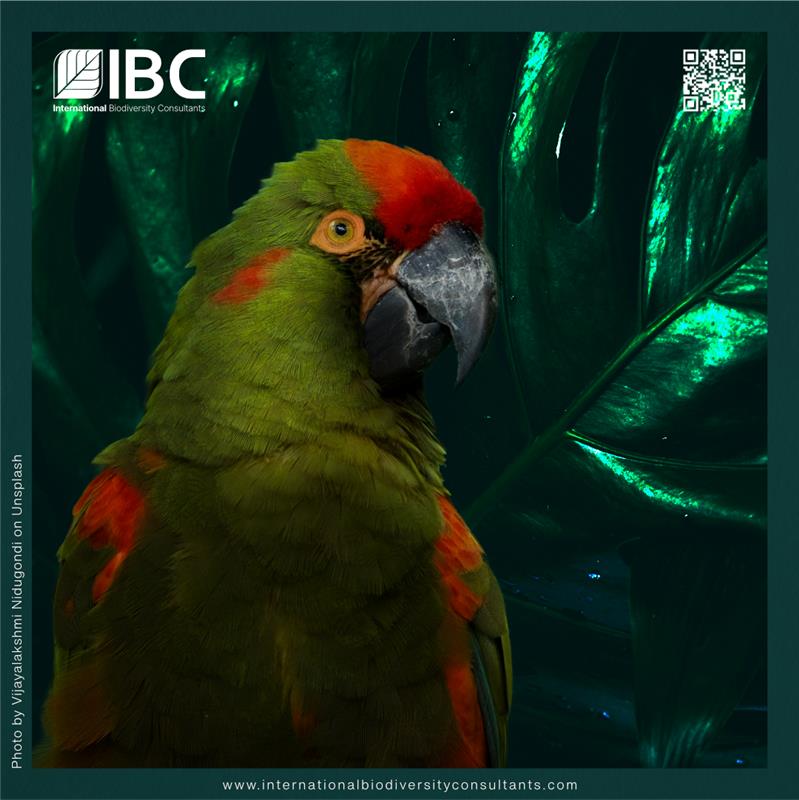
Figure 3. The Great Green Macaw (Critically Endangered)
About the Author
Rafael Ramírez is a experienced ecologist with a PhD candidacy in Conservation Ecology and Environmental Biology from Manchester Metropolitan University, a Master of Science in Biodiversity Conservation from Macquarie University of Sydney, and a Bachelor of Science in Biology from the National Autonomous University of Mexico.
With over a decade of expertise in biodiversity conservation, species risk assessments, sustainable development, nature-based solutions, climate change policy, and the voluntary carbon market, Rafael has held key roles across government, non-profit, and private sectors. He has contributed to national (Mexico) and international environmental initiatives and strategies through institutions such as the National Commission for the Knowledge and Use of Biodiversity (CONABIO), the Initiative for Climate Action Transparency (ICAT), and the Capacity-building Initiative for Transparency (CBIT; GEF-funded). In Mexico, he has collaborated with leading civil society organizations, including Política y Legislación Ambiental AC and Natura y Ecosistemas Mexicanos AC in topics like capacity building for decision-makers, deputies and officials and assessments of the conservation status of natural ecosystems based on indicator species, respectively.
Rafael’s private-sector experience includes strategic roles at South Pole and Produce Pay, where he developed sustainability-driven solutions. His work focuses on integrating science-based approaches into policy and market mechanisms, driving impactful environmental strategies across multiple sectors.
References
CONABIO. (2025). https://www.biodiversidad.gob.mx/especies/extincion
De Grammont PC, Cuarón AD. (2006) An Evaluation of Threatened Species Categorization Systems Used on the American Continent. Conserv Biol 20: 14-27.
IUCN. (2022). https://www.iucnredlist.org/resources/summary-statistics
Mora, F. (2018). A spatial framework for detecting anthropogenic impacts on predator-prey interactions that sustain ecological integrity in Mexico. Ecol Process 7, 35. https://doi.org/10.1186/s13717-018-0146-4
Ramirez, R.S., Quintero, E. (2016). Assessing Extinction Risk for Mexican Dry and Cloud Forest Rodents: A Case Study. Journal of Biodiversity and Endangered Species, 4:2 DOI: 10.4172/2332-2543.1000169
WWF. (2022). Living Planet Report 2022: Building a nature-positive society. https://www.wwf.org.uk/updates/living-planet-report-2022